Skip to content

Video & Blog Posts

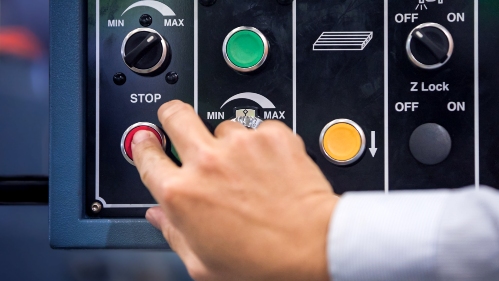
  • Person shutting down the mechanical machine of the factory in Chicago, IL
    03/19/2026 0 Comments
    What to Expect During a Mechanical Shutdown or Outage

    Because chemical plants, refineries, and gas processing facilities operate around the clock for years, eventually, they must pause production. From ongoing maintenance and inspections to making capital improvements, downtime is an inherent aspect of managing a large-scale industrial operation. Whether it’s planned or unplanned, shutdowns, turnarounds, and outages can place every part of your operation under the microscope. And it’s events like these that can hit your cash flow hard. Production stops, costs start to rise, and your reputation will depend on how well you handle the schedule.


    While a shutdown turnaround outage is a collective term that groups these pauses in production together, understanding the distinctions is a fundamental aspect of managing your operation. In this article, we'll explain these distinctions and give you a clear, actionable understanding of these processes so you can allocate your resources and manage all the risks accordingly.


    What is a Shutdown Turnaround Outage?

    Industrial facilities schedule specific windows to complete compliance inspections, maintenance processes, equipment repairs, and infrastructure upgrades to maintain environmental safety, product quality, and operational performance. These events require smart planning to account for production demands, workforce availability, and the facility’s long-term operational goals. Each type of STO carries its own purpose, scope, and timeline, and you want to know how they differ so you can respond with precision when production stops.


    Shutdown

    An industrial shutdown is a preventive or corrective event that pauses production for maintenance, a safety inspection, or targeted repairs in a localized section of the facility. Shutdowns are generally limited in scope, last for a shorter period, and may be scheduled or unplanned based on equipment conditions.


    Turnaround

    An industrial turnaround halts major units or even the entire plant to complete broader maintenance, upgrades, and inspections. This proactive strategy follows a detailed long-range schedule and spans weeks or months due to the volume of work typically involved.


    Outage

    Industrial outages stem from equipment failures, external events, or unexpected conditions that stop operations. The scope can vary across the facility, and the duration depends on the severity of the issue and the repairs required.


    Major Activities During STOs

    Your facility relies on precise execution to manage industrial plant maintenance and shutdown activities effectively while keeping the schedule on track. There are five core areas of an STO, which include:


    Maintenance and Upkeep

    Maintenance during an STO involves tasks that generally cannot be completed during normal operations. This means scheduling tasks that require a complete stop of the assembly line to keep costs under control.


    Teams must prepare detailed job packages before the event to outline every material, tool, and resource required for specific assignments. Contractors need to review these plans early so they understand the timeline and their specific duties. Integrating your inventory systems with these maintenance plans prevents delays caused by missing parts. Any unexpected issues found during the process also fall into this category as discovery work that requires immediate attention before you restart.


    Operations

    Operators must shut down the facility in a controlled sequence to prepare equipment for the incoming crews. You must prioritize safety protocols like lock-out tag-out and blinding process piping to create a secure work window. These activities sit on the critical path, so any missed step here pushes back the entire project timeline. Once the technicians finish their repairs, the operations team manages the safe recommissioning of the plant. You should include these specific tasks in your main schedule to avoid coordination gaps between different departments.


    Assessment

    STO assessments include regulatory inspections, risk-based evaluations, and equipment access plans to stay in compliance with local laws. You can shorten these windows by using risk-based inspection methods to focus only on high-priority equipment. Planning for vessel access is a complex job, so you should limit entries to essential spots only. Inspectors follow detailed test plans based on the history of each machine to verify its integrity. Effective coordination between inspectors and repair crews helps you address any newly discovered flaws without losing precious time.


    Capital Projects

    You might use an STO window to install new equipment, upgrade systems, or completely overhaul infrastructure that can only occur during an outage. These projects usually run independently, but they’ll likely require tie-ins to your existing piping or electrical systems while the plant is down. You must align the capital project team’s plan and sequence of work with the turnaround phase-gate schedule to avoid conflicts between the two teams. Since the turnaround team manages the overall logistics and safety of the site, they oversee the specific installation windows for these activities.


    Restoration

    This work focuses on repairing or replacing worn components to return your machinery to its original performance level. This might involve crews replacing valves in boilers or repairing heat exchanger tubes in your industrial cooling systems. Other common tasks involve structural welding on machine frames, storage tanks, or conveyor systems that have suffered from heavy use. These targeted repairs prevent future breakdowns and help your equipment run more efficiently when operations resume. Each repair task follows a defined plan that prepares the facility for recommissioning once all work concludes.


    Leverage Our Industrial Expertise at Hayes Mechanical

    You manage complex equipment and strict production demands, and you want a mechanical team that understands the pace of your industrial work. Whether your shutdown turnaround outage is a planned or unplanned event, our skilled technicians here at Hayes Mechanical deliver critical path mechanical maintenance services that keep heavy and light industrial plants on schedule. We will handle maintenance planning, outage execution, and repair projects with the precision your operation expects. And we’re available 24/7/365 to provide industrial services in the event of an emergency.


    Contact our team today to learn more about our strategic approach to getting your operation back in production.

    Read More
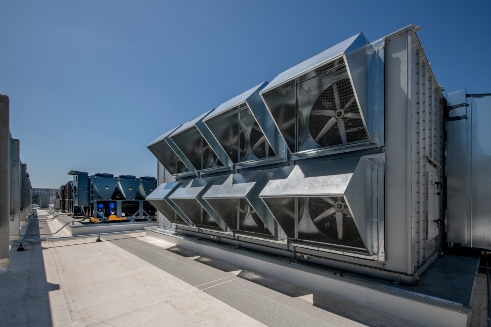
  • Huge industrial HVAC system setup in an industry in Chicago, IL
    03/19/2026 0 Comments
    Understanding Industrial HVAC vs. Commercial HVAC Systems

    Difference between Industrial & Commercial HVAC Systems


    Running a commercial property or an industrial facility puts heavy pressure on the heating and cooling system within, and each environment calls for a different level of performance. Commercial settings need a system that provides steady airflow and reliable temperature control for staff and customers. An industrial operation demands a lot more from its HVAC system, pushing the equipment harder for stronger output to keep production moving.


    In this article, we’ll compare commercial HVAC systems to industrial configurations and break down all the differences in scale, purpose, and complexity to help you land on the right solution.


    The Difference Between Industrial & Commercial HVAC Systems

    Let's take a look at some clear distinctions between how commercial and industrial HVAC systems perform, how they’re built, and how much upkeep each requires. The HVAC system comparison below will help you plan your HVAC strategy and ensure it aligns with the scale of your facility.


    Function and Use Cases

    Whether it’s an office building, restaurant, or retail store, commercial HVAC systems are primarily designed for the comfort of people inside. They’re meant to provide stable temperature control, steady airflow, and balanced humidity across enclosed spaces that host regular foot traffic. Their job is to create a predictable indoor environment that keeps customers and staff comfortable throughout the day.


    Industrial HVAC equipment is specifically engineered to support production-heavy settings such as plants, warehouses, and manufacturing lines. The system handles larger volumes of air, higher thermal loads, and conditions shaped by machinery that generate massive heat and airborne pollutants. It keeps operations running smoothly and supports processes that rely on stable thermal control.


    System Scale and Performance Range

    Commercial HVAC units handle moderate heating and cooling demands across segmented spaces like offices, classrooms, and boutique retail areas. They cycle based on occupancy patterns, business hours, and zone-specific usage to maintain comfort without pushing the equipment to its limits. Their performance range suits day-to-day activity in controlled, predictable environments.


    Industrial HVAC systems operate at a far broader scale and sustain heavy loads for much longer periods. They treat expansive floor areas, elevated ceilings, and near-continuous equipment-generated heat. Systems may run around the clock to maintain strict process requirements, and their components deliver a much higher output range to match the intensity of mass production.


    Design Complexity

    Aside from their primary purpose, one of the biggest distinctions between commercial vs. industrial HVAC infrastructure is how they're designed. Commercial HVAC systems need to be flexible and scalable, so the architecture is typically engineered to be modular. They utilize packaged systems, split systems, rooftop units, and standardized components that simplify installation, expansion, and ongoing service. They prioritize ease of access, predictable airflow distribution, and zoning features that break a building into manageable climate areas.


    Industrial systems integrate specialized equipment like large-capacity chillers, high-efficiency boilers, cooling towers, and robust air handlers. The layout often incorporates custom ductwork, advanced filtration, and airflow conditions suited to heavy processing or sensitive product environments. They accommodate extreme temperatures, humidity variations, and airborne contaminants produced during manufacturing.


    Energy Performance

    Commercial HVAC systems use practical efficiency tools such as programmable controls, zoning, and smart, sensor-driven adjustments that respond to occupancy changes. These features reduce energy waste and help businesses manage their monthly utility costs without requiring high-output equipment.


    Since industrial systems must balance the constant demand for larger energy loads, their efficiency relies on the advanced chillers, boilers, cooling towers, and heat recovery features we mentioned earlier. These larger components are meant to manage the amount of energy the system consumes as it stabilizes the larger-scale operations they’re designed for.


    Maintenance Schedules

    Commercial HVAC maintenance covers routine tasks such as filter replacements, inspections, and seasonal servicing. The scale remains manageable, and most components fall within standardized service procedures that keep equipment operating smoothly through normal business cycles.


    Due to their size, scale, and demanding operational conditions, industrial HVAC systems require much more rigorous maintenance protocols that follow an ongoing schedule. Industrial systems need to be inspected and calibrated more frequently, and, because of their heavy, continuous use, system monitoring, component replacements, and emergency backup testing all become necessary to reduce the risk of downtime.


    Hayes Mechanical – HVAC Expertise You Can Rely On

    When you need HVAC experts who know how to keep your operation productive, our team here at Hayes Mechanical has over a century’s worth of experience in both commercial and industrial HVAC infrastructure. From ongoing maintenance and emergency repair to complete system installation, we will handle every aspect of your system with absolute precision.


    Get the practical solutions you can count on to maintain the steady, predictable HVAC performance your business demands. Partner with professionals who deliver comprehensive service for all your HVAC needs – contact us today to learn more about how we can bolster your bottom line.

    Read More
  • Large Commercial boilers and piping system inside a commercial mechanical room in Chicago, IL
    03/19/2026 0 Comments
    How to Choose the Right Commercial Boiler for Your Facility

    The cold of winter demands a gritty, reliable heat source to keep your building warm for all occupants and fully functional for your operational needs. Whether you run a busy office building or manage a large factory, consistent temperatures matter for your everyday success, regardless of your industry.


    A dependable system keeps your space running with a consistent level of comfort everyone appreciates. And a commercial boiler plays a direct part in that stability, especially when wintertime hits. So, when you need a system that fits your property without the stress or guesswork, our article will walk through all the factors to consider when selecting your ideal system. From sizing and efficiency ratings to local code standards and everything else in between, our insights will explain how to identify the best machine for your commercial space.


    What is a Commercial Boiler System?

    Getting through a brutal winter means you need a heating system that sustains its resilience as the temperatures plummet. Cold days can push a building hard, and a commercial boiler system gives your property all the heat and hot water your entire facility calls for every single day. You can consider this machinery a true powerhouse for your everyday operations, and its performance will ultimately determine how well your building handles long stretches of winter weather.


    A reliable unit undoubtedly creates the stable environment your staff needs. An efficient model also burns fuel more effectively, and that translates into lower costs on your monthly utilities. When you invest in a commercial boiler that meets energy standards, your company will drastically reduce its total carbon footprint. And since it can prevent an unexpected closure, you’ll protect your revenue when winter’s worst weather decides to strike.


    A commercial boiler built for heavy demands is a savvy financial move for any business owner – but how do you choose the right one?


    How to Select the Ideal Commercial Boiler for Your Facility

    Cold weather will expose every weak point in your heating system, so you’ll want one that stands up to harsh conditions. The considerations below will help you move toward the right decision for your facility:  


    Evaluate Your Facility's Needs

    You should examine your daily operations to determine how much heat or steam your building actually requires. Industries like manufacturing or food processing have unique thermal demands that influence your final choice. Analyze your peak usage periods to guarantee the system maintains consistent output during your busiest hours. This initial assessment helps you avoid buying a machine that fails to meet your specific production goals.


    Determine the Most Suitable Boiler Type

    Researching various types of commercial boilers allows you to select a design that fits your space and pressure requirements. Large industrial sites typically favor watertube models for high-pressure applications, while smaller offices often use compact firetube models. Some owners choose a biomass system to utilize renewable resources like wood waste. Picking the correct category ensures your equipment matches your building’s physical layout and operational pressure levels.


    Determine the Right Size

    You’ll avoid wasted fuel and operational strain when your boiler matches your building’s heating load. And you need to hire a professional to perform this load calculation based on your square footage, insulation, and window quality. An oversized unit will cycle too frequently and waste fuel, though a small unit will leave your occupants shivering during a cold snap. Accurate sizing accounts for current occupancy and any future expansions you have planned for the property. A properly sized machine will respond smoothly during harsh weather and boost the efficiency of your entire heating system over the long term.


    Explore Available Fuel Options

    Natural gas is still the top choice for its accessibility and lower emissions, but some locations might prefer oil or propane. You can find many units that accommodate two different fuel sources, which gives you flexibility if market prices fluctuate. Review the availability and local cost of each energy source before you sign a purchase agreement.


    Consider Fuel Efficiency

    High commercial boiler efficiency ratings signify that the machine converts more energy into usable heat for your space. Look for units with modulating burners that adjust their fire rate based on the actual outdoor temperature. While these advanced models require a larger upfront investment, the monthly savings on your gas or electric bills quickly justify the price. Efficient systems also reduce your total environmental impact over the years.


    Assess Climate Conditions

    Those long, bitter cold spells during severe winters require a robust system that stays operational when the mercury drops below zero. If your property is located in a region known for adverse winter weather, your equipment must withstand sudden temperature swings and sustained freezing periods without suffering a mechanical failure. Check the construction quality to verify that the metal and seals can withstand the thermal expansion associated with heavy winter use. Reliable heating keeps your pipes from freezing and protects your inventory from damage.


    Understand Local Building Codes and Compliance Standards

    State and municipal regulations dictate specific venting methods, safety controls, and emission limits for your new installation. You must verify that your chosen model meets every regional standard, even before installation begins, to avoid expensive fines or mandatory retrofits. Compliance protects your insurance standing and keeps your workplace safe for every employee. Reviewing these rules early prevents legal headaches and ensures your chimney or exhaust system functions correctly.


    Plan for Maintenance and Installation

    Hiring a licensed contractor for the installation process ensures that your piping and wiring meet every safety requirement. And planning a consistent commercial boiler maintenance plan will prevent small issues from turning into massive, expensive breakdowns during a blizzard. Schedule annual inspections and cleanings to keep the internal components running smoothly and extend the life of the heat exchanger. A well-installed system performs better and experiences fewer emergency outages throughout its lifespan.


    Consider Your Long-Term Costs and ROI

    You should calculate the total cost of ownership by adding the purchase price to twenty years of fuel and repair expenses. A durable, expensive unit often proves more affordable than a cheap model that breaks down every few winters. Search for utility rebates or tax credits that lower your initial out-of-pocket spending on high-efficiency hardware. Focusing on the return on investment helps you build a more profitable and stable business infrastructure.


    Choose Hayes Mechanical for All Your Commercial Boiler Needs

    Hayes Mechanical offers a century of hands-on experience for your facility. So, when you partner with our team, you’ll receive gold-standard expertise and dedicated care from skilled professionals who understand commercial and industrial heating inside and out. We can inspect all the components of your system to extend the life of your current unit. Our technicians also install modern, high-efficiency systems to lower your monthly bills. You can call our professionals for repairs at any hour of the day or night.


    Whether you need repairs, are considering an upgrade, or planning a full replacement, we’ll help you determine what makes the most sense for your operation. Contact us today to schedule your maintenance or request a quote for a new installation.  

    Read More
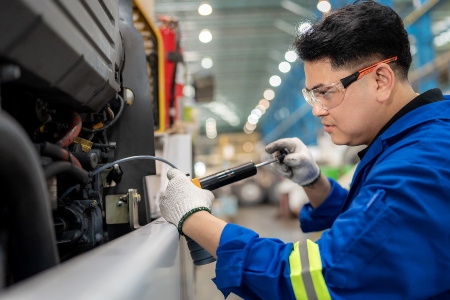
  • Technician of using a grease gun for preventive maintenance of mechanical machines in Chicago, IL
    03/19/2026 0 Comments
    Benefits of Preventive Mechanical Maintenance for Businesses

    Preventive Mechanical Maintenance Benefits for Business

    Running a commercial facility keeps you busy every single hour of the day. You likely handle dozens of small tasks to keep your building operational and productive. To stay ahead of any sudden equipment failures, smart leaders choose a strategy that prioritizes proactive prevention. This means they’re happy to invest in mechanical preventive maintenance that saves the company significant money over time.


    Regular inspections keep all mechanical systems running at peak performance levels for years. And it’s this kind of professional approach that protects your valuable assets while you focus on keeping your operations working like a well-oiled machine. Through routine checkups, thoughtful scheduling, and thorough equipment care, your team will ultimately stay productive because your equipment stays reliable. In this article, we’ll walk you through these practical strategies to help you maintain steady performance across your entire facility.


    The Advantages of Preventive Mechanical Maintenance

    The performance of your facility largely depends on how well the equipment within it performs. A consistent maintenance strategy gives you a reliable way to protect your investment and strengthen your operation. And when you look at the long-term value, you'll quickly see how much preventive maintenance benefits your building, your team, and your workflow.


    Extends the Lifespan of Equipment

    Regular inspections and planned mechanical maintenance give your assets a much longer operational life because your technicians will catch early wear and make adjustments before any smaller issues spread through the rest of the system. This careful attention helps each unit stay productive under everyday demands and prevents early aging from stress or buildup. You’ll keep your equipment on the job longer and delay expensive replacements for years.


    Reduces Breakdowns

    Routine service limits unexpected outages because your technicians monitor performance and resolve developing issues during each visit. You’ll avoid downtime that interrupts your operations and lose far fewer productive hours throughout the year. Strong monitoring gives you much more consistent control over how your equipment performs under heavy workloads, and this level of awareness keeps your facility running at a consistent pace. And you’ll maintain stable output because your system stays prepared for any changing conditions.


    Cuts Maintenance Costs

    Planned service limits surprise repairs, which keeps your spending predictable and manageable across the year. You’ll avoid emergency labor fees and expensive rush shipments for parts that usually fail only after long periods of neglect. A steady schedule lets you prepare your budget with greater accuracy because you’ll experience fewer unexpected problems. This approach reduces financial strain and helps you commit resources to parts of your operation that deliver greater value.


    Ensures Regulatory Compliance

    Regular inspections give you accurate records and reliable documentation that align with safety expectations for any commercial property. You’ll follow established standards because your technicians review ventilation, wiring, equipment ratings, and mechanical performance during every scheduled visit. A strong maintenance history helps you stay prepared for upcoming evaluations, which keeps your equipment ready for any regulatory review and maintains a safe environment for all occupants.


    Improves Efficiency

    Your equipment runs stronger when your technicians monitor temperatures, airflow, and performance across your entire operation. Planned service helps reduce strain, allowing motors, pumps, and control systems to operate at stable output levels. You’ll experience more consistent performance because each part works as intended. This improved balance helps your facility sustain consistent productivity levels because every system contributes effectively to your operations every day.


    Optimizes Resources and Inventory

    A consistent maintenance schedule helps you plan parts, supplies, and staffing needs with greater accuracy. You can order replacement components ahead of time instead of scrambling during an outage, and you can organize your inventory around real usage patterns. This proactive strategy limits waste and gives you even more control over your operations. You’ll create a predictable workflow that reduces interruptions and aligns with your long-term planning strategy for industrial preventive maintenance.


    Enhances Customer Satisfaction

    Strong equipment performance helps you deliver a consistent experience for everyone who walks through your doors. Staff will stay productive because they work in stable conditions. Customers or building occupants appreciate this level of predictable comfort and dependable service. This steady environment strengthens your reputation because you'll demonstrate reliable operational control. Your building will run better each day through structured mechanical equipment maintenance, and that reliability improves the experience for everyone involved.


    Hayes Mechanical – Your Partner for Reliable Mechanical Care

    You now see how you can maintain your competitive edge when you prioritize your infrastructure through a systematic mechanical care plan. Investing in professional mechanical maintenance services will transform reactive chaos into a predictable and manageable process. And this is where our team at Hayes Mechanical rises to the occasion. Our technicians deliver strategic inspections, equipment calibration, and detailed mechanical system assessments that keep your operation steady year-round. You can rely on our experienced professionals to strengthen your facility through proactive planning.


    Give your facility the care it deserves to function at its highest potential. Contact our team today to build a maintenance program that keeps your business prepared for every demand.

    Read More
  • Commercial HVAC units and ventilation systems installed on a commercial building in Chicago, IL
    03/19/2026 0 Comments
    Ultimate Guide to Commercial HVAC Maintenance

    Running your business requires constant attention to every moving part. And the system that controls your indoor climate is certainly no exception. Whether you manage office space or a factory, a reliable HVAC system keeps your facility comfortable for everyone inside every single day. But it doesn’t remain reliable on its own.


    Having a proactive approach to maintaining your system keeps your equipment strong and protects your bottom line. In this article, we’ll explain why it’s essential to include commercial HVAC maintenance in your facility’s overall strategy. We’ll provide all the facts you need to know about having a practical maintenance routine – and the advantages it provides across your entire property.


    Why Commercial HVAC Preventive Maintenance Matters

    Some days your building runs so smoothly that you barely think about the equipment behind it. Then, when things go awry, you remember how much your everyday operations depend on it. This is why regularly maintaining your commercial HVAC system makes a massive difference. Your system delivers balanced, dependable cooling across every area when components stay calibrated and ducts remain clear. And this efficiency results in lower utility costs because your units pull less power to cool the air.


    Scheduling commercial HVAC preventive maintenance reduces the physical strain on motors and coils, adding years to the life of your expensive hardware. You’ll also catch minor issues early before they turn into a total system failure. Having your system routinely inspected verifies that your refrigerant levels and electrical connections meet safety standards. Plus, anyone who walks through the door will breathe better air when your filters stay clean and free of dust.


    What Does HVAC Maintenance Involve?

    Your system relies on steady upkeep to keep every part working at full strength. And there are three primary aspects to any great commercial HVAC maintenance plan – testing, cleaning, and replacement, when necessary. So, when you prioritize maintenance and invest in commercial HVAC services, they’ll focus on these three foundational tasks:

    • System Testing and Evaluation – Your technicians will examine all electrical components and the overall functionality every time they visit. This careful inspection helps you identify potential mechanical problems early.
    • Thorough Cleaning – Removing dust and debris from filters and coils prevents heavy buildup. This process allows your hardware to breathe and function well.
    • Replacement Procedures – Components that have become worn, damaged, or reached the end of their lifespan will be swapped out to maintain the system’s performance. Installing fresh parts prevents sudden failures and eliminates safety hazards.


    The Seasonal Aspect of HVAC Maintenance

    You’ll keep your facility running stronger when you match your maintenance routine to the demands of each season. A well-planned commercial HVAC maintenance strategy helps you organize these tasks, and regular attention to these specific areas helps you avoid expensive repairs during the hottest and coldest months of the year.


    Warm Weather Season

    • Inspect and Clean AC Units – Technicians clear debris from coils, confirm proper refrigerant charge, and test blower performance so your cooling equipment handles summer conditions easily.
    • Replace Air Filters – You should replace filters on a regular schedule to maintain strong airflow, reduce stress on internal parts, and improve comfort throughout your building.
    • Check Thermostat Settings – Review thermostat accuracy and scheduling so your system cools active areas effectively without placing unnecessary strain on equipment during longer days.


    Cold Weather Season

    • Furnace Inspection – Technicians examine heat exchangers, ignition components, and ventilation paths to keep heating equipment stable through extended seasonal use across your facility.
    • Ductwork Evaluation – You schedule duct inspections to locate leaks or blockages so warm air moves freely into occupied spaces during colder months.
    • Test Carbon Monoxide Detectors – You test carbon monoxide detectors during routine checks to confirm proper operation and maintain reliable safety monitoring for everyone inside.


    Your Commercial HVAC Maintenance Checklist

    Maintaining your equipment through different intervals prevents unexpected failures and improves your system’s long-term performance. You can use this commercial HVAC maintenance checklist to keep your facility running efficiently while tracking essential data for your records.

    • Daily Visual Inspections – Listen for odd noises and check thermostat settings to verify comfort. Look for blocked vents to maintain airflow.
    • Weekly Performance Checks – Examine air filters for debris and clear any obstructions from outdoor units. Verify that drain pans flow correctly.
    • Monthly Planned Maintenance – Replace dirty filters and inspect belts for wear. Test electrical connections and monitor refrigerant levels to maintain peak efficiency.
    • Comprehensive Quarterly and Annual Servicing – Professional technicians deep clean coils and calibrate controls every year. They’ll also perform safety checks on gas pressure and ductwork.


    Enhance Your Commercial HVAC System With Hayes Mechanical

    As your full-service partner in HVAC solutions, Hayes Mechanical brings deep expertise to every facility’s indoor comfort, safety, and performance. From commercial HVAC repair and maintenance to complete industrial system installation and upgrade strategies, we provide the industry’s gold standard and handle every task with precision.


    Rely on our experienced commercial specialists to keep your system running well all throughout the year. Contact our local HVAC professionals today to simplify your facility’s HVAC management plan.

    Read More
  • Hayes Mechanical Technician setting the control panel of a commercial hvac system for energy saving.
    03/03/2026 0 Comments
    Top Energy-Saving Strategies for Commercial HVAC Systems

    In the modern business landscape, commercial HVAC energy optimization is not merely a matter of environmental responsibility but a cornerstone of fiscal prudence. High operational costs associated with climate control can significantly impact a firm's bottom line. By implementing strategic upgrades and adhering to rigorous maintenance protocols, facility managers can achieve substantial energy savings in commercial HVAC systems and ensure the longevity of their infrastructure.


    Long-Term Benefits of HVAC Optimization

    Hayes Mechanical wants to help you understand the essential need for optimized HVAC performance. Some of the long-term benefits of HVAC optimization include:

    • Substantial Cost Reduction – Systematic improvements to system efficiency lead to a measurable decrease in monthly utility expenditures and overall operational overhead.
    • Extended Equipment Lifespan – Regular optimization reduces mechanical strain on primary components, deferring costly capital replacements and ensuring long-term reliability.
    • Enhanced Asset Value – Properties equipped with modernized, high-performing climate control systems maintain higher market valuations and appeal to premium tenants.
    • Improved Environmental Stewardship – Optimizing energy consumption aligns with corporate social responsibility mandates by significantly lowering the building's carbon footprint.
    • Superior Indoor Air Quality – A finely tuned distribution network ensures consistent ventilation and humidity control, which is essential for preserving structural integrity and occupant health.


    1. Upgrade to a High-Efficiency Commercial HVAC System

    The most impactful step toward reducing operational costs is the transition to energy-efficient HVAC solutions. Modern units are engineered with advanced compressors and variable-speed motors that adapt to a building's specific cooling or heating demands. While the initial capital expenditure for a high-efficiency system is greater than that of standard models, the long-term reduction in energy consumption typically results in a favorable return on investment through lower monthly utility bills and reduced mechanical strain.


    2. Install Smart Thermostats

    Precision control is essential for managing energy-efficient HVAC solutions in large-scale environments. Smart thermostats and building automation systems allow for granular scheduling and remote monitoring. These devices utilize sensors to adjust temperatures based on occupancy patterns and peak demand hours, ensuring that energy is not wasted on cooling or heating unoccupied zones. This technological integration is a vital component of any comprehensive commercial HVAC energy optimization plan.


    3. Schedule Routine HVAC Maintenance

    A disciplined approach to preventative maintenance is the most reliable way to prevent the thermal overload and mechanical failure discussed previously. Professional technicians can identify minor issues, such as refrigerant imbalances or electrical inconsistencies, before they escalate into catastrophic system shutdowns. Routine inspections ensure that all components are operating at peak performance, which is critical for those seeking to reduce HVAC energy consumption throughout the equipment's lifecycle.


    4. Improve Insulation and Seal Air Leaks

    To better manage heating and cooling in large commercial areas, one must address the building envelope. Insufficient insulation and air leaks force HVAC systems to work harder to maintain setpoints, leading to unnecessary wear and increased energy draw. By reinforcing insulation in roofing and walls and sealing gaps around windows and loading docks, businesses can maintain a stable internal climate with significantly less effort from their mechanical systems.


    5. Replace Filters

    One of the simplest yet most overlooked strategies for commercial HVAC energy savings is regularly replacing air filters. Clogged or dirty filters restrict airflow, forcing the system's fans to consume more power to circulate air. Establishing a strict monthly or quarterly replacement schedule not only improves indoor air quality but also reduces the static pressure within the system, thereby lowering energy consumption and protecting the motor from premature failure.


    6. Fix Leaks in the Ductwork

    Leaking ducts are a primary source of energy loss in commercial settings, often resulting in conditioned air escaping into unconditioned plenums or crawlspaces. Even a small breach in the ductwork can decrease system efficiency by as much as 20%. Conducting a professional pressure test and sealing leaks with high-quality mastic or metal-encased tape ensures that the air you pay to condition actually reaches its intended destination.


    Contact Hayes Mechanical

    Hayles Mechanical is here for all your commercial and industrial needs. Optimizing a commercial HVAC system requires a multifaceted approach that combines technological upgrades with steadfast maintenance habits. By investing in high-efficiency hardware, utilizing smart controls, and ensuring the integrity of the building's distribution network, organizations can drastically reduce HVAC energy consumption while fostering a comfortable environment for employees and clients alike.


    To learn more about how our professional team can assist with your commercial HVAC energy optimization and maintenance needs, contact us today to schedule a comprehensive system audit.

    Read More
  • Two Expert Hayes mechanical technician discussing the emergency hvac problem
    03/02/2026 0 Comments
    Emergency HVAC Repairs: What to Do When Your System Fails

    A sudden HVAC failure can disrupt business operations, compromise occupant comfort, and, in certain climates, pose a significant risk to the facility's infrastructure. When your heating or cooling system stops functioning unexpectedly, it is essential to follow a structured protocol to mitigate damage and restore service efficiently. Maintaining a calm, methodical approach allows facility managers and homeowners to distinguish between simple power issues and critical mechanical failures requiring professional intervention. We'll explain what to do when your system fails. Reach out to us for emergency services.


    Reasons for HVAC System Failure

    While modern commercial HVAC systems are engineered for rigorous performance across expansive environments, they remain susceptible to mechanical failure if not properly managed. Some of the most common reasons HVAC systems fail include:

    • Lack of Maintenance – The primary catalyst for system degradation is often a lack of scheduled preventative maintenance, which leads to obstructed ductwork and compromised filtration. These conditions force the equipment to operate beyond its intended capacity, resulting in thermal overload.
    • Power Surges – The intricate electrical network of motors and compressors is highly vulnerable to power surges and wiring faults, which can cause immediate operational cessation.
    • Wear and Tear – Ultimately, the cumulative effects of mechanical wear and tear, compounded by the limitations of aging technology, necessitate a proactive approach to system oversight to prevent costly and untimely breakdowns.


    Stay Calm and Evaluate the Issue

    The first step in addressing an emergency HVAC repair is to evaluate the situation without rushing into hasty decisions. Begin by checking the thermostat settings to ensure the system has not been inadvertently switched off or set to an incorrect temperature. Often, what appears to be a total system failure is merely a depleted battery in the control interface or a communication error between the thermostat and the air handler. Verifying these settings is a simple yet effective way to rule out minor technical glitches before escalating the situation.


    Check the Thermostat Settings First

    HVAC systems often have thermostat issues that lead to malfunctioning. Restoring functionality can sometimes be as easy as replacing the batteries or restarting the system. It's essential to check that:

    • The batteries are working.
    • The mode is correctly set to cooling or heating.
    • The proper temperature is set.
    • The display is on and functioning.


    Make Sure the System Has Power

    Confirm that the system is receiving power. Check your electrical panel for any tripped breakers or blown fuses that may have interrupted the circuit. If the power supply is intact but the unit remains non-functional, you should turn off the HVAC unit at the dedicated isolation switch or thermostat for safety. Operating a malfunctioning system can lead to further mechanical degradation or electrical hazards.


    Turn Off the HVAC Unit for Safety

    In some HVAC cases, it's best to turn off the HVAC system to help avoid safety hazards and prevent further damage. If you smell gas or hear strange noises, there could be a gas leak. It's vital to consult the manufacturer's instructions on how to turn off the HVAC system safely. Contact us for advice if needed.


    Don’t Attempt Major DIY Repairs

    While basic maintenance tasks such as filter replacement or thermostat recalibration fall within the scope of standard homeowner care, more technical interventions involving compressors, refrigerant lines, electrical circuitry, or gas-fired components should be avoided. The inherent complexity of modern HVAC infrastructure presents significant risks, where improper handling can result in personal injury or substantial property damage. To ensure operational integrity and safety, it is recommended that property owners entrust these specialized repairs to certified professionals.


    Call an HVAC Professional

    If these preliminary checks do not resolve the issue, it is time to contact an HVAC professional for emergency service. For commercial facilities, having a pre-established relationship with a service provider ensures a faster response time for emergency commercial HVAC repair. Our certified technicians have the necessary diagnostic equipment to identify the root cause, whether it be a compressor failure, refrigerant leak, or motor malfunction, and perform the necessary emergency AC repair to bring your climate control system back online. Adhering to these professional standards ensures the longevity of your equipment and the safety of your property.


    Contact Hayes Mechanical Today

    When unexpected malfunctions compromise the safety, comfort, or productivity of your facility, our team stands ready to intervene. We provide comprehensive 24/7 emergency services throughout Chicago, IL specializing in the rapid repair, installation, and maintenance of diverse industrial components, ranging from complex process piping and manufacturing machinery to essential office climate control systems. With over a century of proven expertise, Hayes Mechanical delivers the reliable, professional service required to sustain high-performance industrial operations. We invite you to contact us at any time to secure emergency assistance.

    Read More
  • Two Hayes Mechanical technicians are conducting a preventive maintenance inspection in Chicago, IL
    02/04/2025 0 Comments
    How Preventive Maintenance Can Save Your Business Money

    Running a business is demanding. Between managing operations, keeping customers happy, and balancing the budget, there’s a lot to juggle. Because it’s so hectic, many businesses overlook a valuable secret weapon: preventive maintenance. Yes, prioritizing this service adds one more thing to your to-do list, but the maintenance service cost savings are well worth it.

    Read More
  • Two men in hard hats on a project reflecting evolving building codes and regulations in Chicago, IL
    02/04/2025 0 Comments
    How Building Codes and Regulations Are Evolving

    Building codes and regulations can be hard to follow. Just when you think you’ve got them figured out, they change. Regulators have good intentions—like increasing health, safety, and sustainability—but some changes are hard to keep up with and come at a big cost. Yet staying up-to-date is crucial to avoid fines and a tarnished reputation. Explore how building codes are changing and what it means for your projects.

    Read More
  • Commercial boiler system in a mechanical room located in Chicago, IL
    02/04/2025 0 Comments
    Understanding Various Types of Commercial Boilers & Their Applications

    As a business owner, your building’s heating methods might not occupy your daily thoughts, but they’re important to consider. Whether you manage an office, healthcare facility, or manufacturing plant, installing the right boiler can make all the difference. Learn about the main types of commercial boilers and how to choose the right one for your business.

    Read More

Hayes Mechanical

5959 S. Harlem Ave
Chicago, IL 60638

(773) 784-0000

Info@hayesmechanical.com

Opening Hours

Emergency Service Available

Please see Locations for numbers

Please send us an email

Copyright © 2026 · Powered by LOCALiQ

","address":{"@type":"PostalAddress","streetAddress":"5959 S. Harlem Ave","addressLocality":"Chicago","addressRegion":"IL","postalCode":"60638","addressCountry":"US"},"email":"Info@hayesmechanical.com","telephone":"(773) 784-0000","url":"https://www.hayesmechanical.com","openingHoursSpecification":[{"@type":"OpeningHoursSpecification","dayOfWeek":"http://schema.org/Monday","opens":"10:00","closes":"18:00"},{"@type":"OpeningHoursSpecification","dayOfWeek":"http://schema.org/Tuesday","opens":"10:00","closes":"18:00"},{"@type":"OpeningHoursSpecification","dayOfWeek":"http://schema.org/Wednesday","opens":"10:00","closes":"18:00"},{"@type":"OpeningHoursSpecification","dayOfWeek":"http://schema.org/Thursday","opens":"10:00","closes":"18:00"},{"@type":"OpeningHoursSpecification","dayOfWeek":"http://schema.org/Friday","opens":"10:00","closes":"19:00"},{"@type":"OpeningHoursSpecification","dayOfWeek":"http://schema.org/Saturday","opens":"10:00","closes":"14:00"},{"@type":"OpeningHoursSpecification","dayOfWeek":"http://schema.org/Sunday"}],"image":"https://www.hayesmechanical.com/uploads/tTQefkhq/AirCooledChillerReplacement-compressed__msi___jpg.jpg","logo":"https://www.hayesmechanical.com/uploads/W5lWikx3/Hayes-Mechanical-chicago-logo.png"}